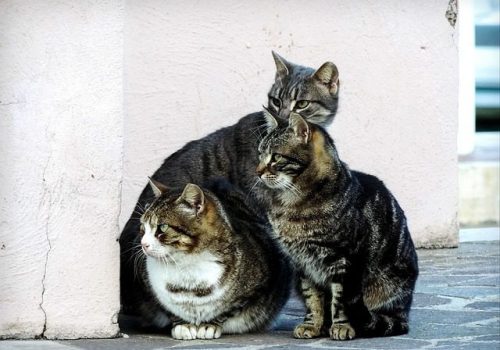
Why Is It So Important to Spay or Neuter Your Pet?
Spaying or neutering your pet is among the most responsible choices a pet owner can make. The operation, which entails the removal of the animal's reproductive organs, plays a vital role in managing the pet population. Annually, millions of unwanted pets are born, many of which find their way to shelters, where they risk euthanasia due to overcrowding. By spaying or neutering your pet, you assist in averting this cycle of overpopulation, ensuring that fewer animals are abandoned or left to wander the streets.
In addition to population control, spaying or neutering provides substantial health benefits. For females, spaying eliminates the risk of ovarian and uterine cancers and significantly diminishes the chances of mammary tumors, especially when performed prior to the first heat cycle. Male pets that are neutered experience a decreased risk of prostate issues and testicular cancer. Spaying and neutering can also mitigate certain behavioral problems associated with intact pets, such as aggression, roaming, and territorial marking, resulting in a calmer and more manageable companion.
Neutering male pets can additionally avert unwanted behaviors such as aggression, mounting, and marking territory. Unneutered males frequently exhibit a strong urge to roam in search of a mate, which can lead to perilous situations such as becoming lost, being struck by vehicles, or engaging in fights with other animals. By neutering a male pet, you diminish these behaviors, allowing them to remain safely at home.
Spaying and neutering are also cost-effective over time. While the initial expense may appear high, the long-term savings can be considerable. Unspayed females can produce multiple litters of puppies or kittens, necessitating veterinary care, food, and supplies. The expenses related to caring for an unplanned litter can escalate rapidly, and in some cases, owners may lack the resources to care for all the offspring.
Spaying and neutering also foster a superior relationship between pets and their owners. Pets that are not perpetually driven by hormonal impulses tend to be more attentive, easier to train, and more responsive to commands. The procedure can enhance the overall disposition of pets, who become less likely to exhibit aggressive or territorial behaviors.
Finally, spaying and neutering contribute to alleviating the pressure on local animal shelters and rescue organizations. By averting the arrival of undesired pets, shelters are less prone to overcrowding, which enables them to provide enhanced care for the animals in their supervision. As more pet owners opt to spay or neuter their animals, communities experience the benefits of fewer stray animals and a more stable pet population.
Article photos
Help an animal in PAW's care
Your support helps provide food, shelter, medical care, and safety for the animals at PAW's sanctuary.